Trolley Payout: Advanced SEO Guide to Global Mass Payment Systems
 clairhogan398@gmail.com
Introduction
As online marketplaces, SaaS platforms, and affiliate ecosystems expand globally, managing international payments becomes a core operational challenge. Companies must coordinate multi-currency settlements, tax documentation, identity verification, and compliance screening — often at scale.
A trolley payout system centralizes these processes into a structured automation framework. Rather than relying on fragmented banking processes, businesses integrate payout orchestration directly into their digital infrastructure.
This in-depth guide explains how trolley payout systems function, their architectural layers, and how they support scalable global operations.
Company Background


4
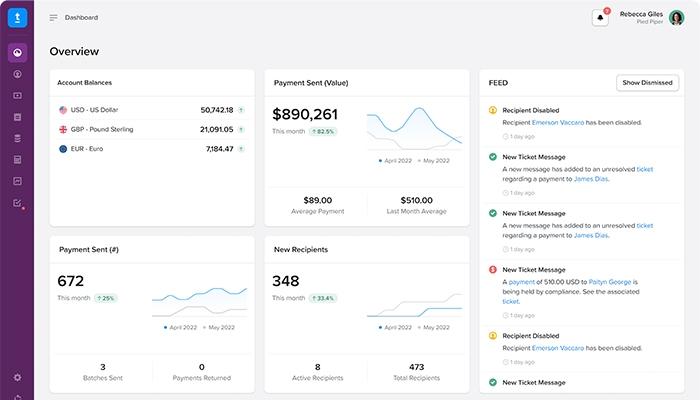
Trolley provides a fintech platform focused on global payout management. The system is designed to help businesses automate large-scale disbursements while embedding compliance workflows directly into the payment lifecycle.
Core capabilities typically include:
- Secure recipient onboarding
- Identity verification (KYC)
- Tax form collection & validation
- Multi-currency payment routing
- Regulatory compliance monitoring
- Reporting and reconciliation tools
Why a Trolley Payout Framework Matters
Growing digital platforms often manage:
- Global contractor networks
- Affiliate commission cycles
- Marketplace vendor settlements
- Cross-border tax documentation
- AML and sanctions compliance checks
Manual payout administration can introduce inefficiencies and compliance risk. A trolley payout infrastructure standardizes and automates repeatable processes.
Infrastructure Architecture
1. Recipient Onboarding & Verification
Recipients access a secure portal where they:
- Complete identity verification procedures
- Submit required tax documentation (e.g., W-9 or W-8 forms where applicable)
- Select payout preferences
- Enter bank or wallet details
Automated validation helps ensure regulatory requirements are satisfied before funds are released.
2. Payment Rail Integration


4
A trolley payout infrastructure may support:
- ACH transfers within the United States
- Local bank transfers in supported countries
- International wire transfers
- Multi-currency settlements
- Selected digital payout methods
Transfer times depend on regional banking networks and currency corridors.
3. Compliance & Tax Automation
Compliance mechanisms are embedded directly into payout workflows. Typical features include:
- Automated tax form validation
- AML screening
- Sanctions list monitoring
- Secure audit trail logging
- Reporting support for regulatory frameworks
Embedding compliance within payment execution reduces operational exposure.
Example Payout Lifecycle
A simplified operational sequence:
- Platform calculates earnings for recipients.
- Documentation and verification are confirmed.
- Batch payout instructions are generated.
- Funds are routed via selected rails.
- Confirmation logs and reporting records are stored for reconciliation.
Automation enhances repeatability and scalability.
Industry Applications
Creator Economy Platforms
Recurring earnings distribution to global creators.
Affiliate Marketing Networks
Automated commission payouts.
SaaS Partner Programs
Performance-based referral payments.
Digital Marketplaces
Vendor settlements across multiple currencies.
Each environment benefits from centralized payout orchestration.
Strategic Advantages
Organizations implementing a trolley payout system may experience:
- Reduced manual reconciliation
- Centralized compliance documentation
- Faster international onboarding
- Enhanced reporting visibility
- Scalable payment processing capacity
As transaction volumes grow, automated infrastructure becomes increasingly valuable.
API & System Integration
Trolley payout systems typically integrate with:
- Custom-built platform backends
- ERP systems
- Accounting software
- Internal finance dashboards
API-driven automation allows payout triggers tied to performance metrics or scheduled intervals.
Security Architecture
Modern payout platforms emphasize:
- Encrypted data transmission
- Role-based access controls
- Secure storage of tax documentation
- Continuous transaction monitoring
Strong security practices protect sensitive financial and identity data.
Implementation Considerations
Before deploying a trolley payout solution, businesses should assess:
- Geographic distribution of recipients
- Currency exposure and FX management
- Regulatory compliance obligations
- Expected monthly payout volume
- Technical integration readiness
A structured rollout strategy typically reduces deployment risks.
Frequently Asked Questions
Is a trolley payout system suitable for scaling companies?
Yes, especially for businesses managing international contractor or affiliate networks.
Can recurring payouts be automated?
Batch and scheduled transfers are generally supported.
Is tax documentation handled within the system?
Tax documentation workflows are integrated into onboarding modules.
Does the platform provide global coverage?
Coverage depends on supported payment rails and configuration.
Conclusion
A trolley payout framework provides a structured approach to automating global mass payments while embedding compliance and tax workflows into a unified system. By combining onboarding automation, multi-currency routing, and regulatory monitoring, organizations can scale international operations efficiently.
As digital commerce continues expanding globally, centralized payout automation becomes essential for operational efficiency and compliance alignment.